

Rotate your device to experience it


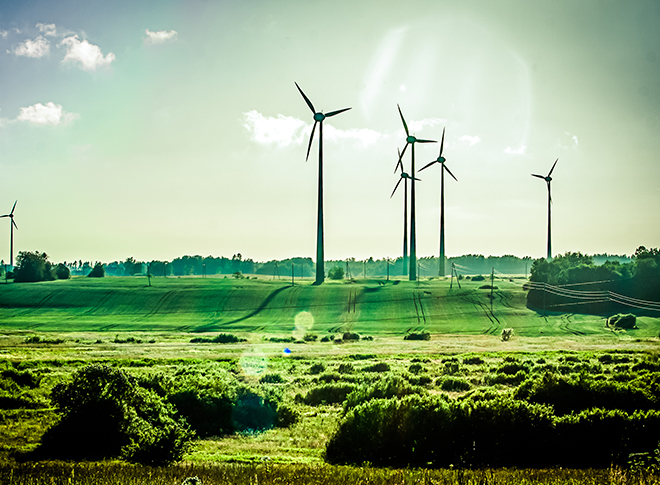
Welspun Living is making sustained efforts through positive action to restore ecological balance in the domains of Air, Water and Land. “Restoring Ecosystems” is the goal of all ESG efforts of the Welspun team. The theme aligns with the Groups' philosophy of inclusive growth. Through this campaign we are focused on bringing a positive Change in the state of the environment across the three elements – Air, Water & Land. As a global leader in home textiles with a large customer footprint, aligning with the best global practices to deliver beyond regulatory compliance is a cornerstone of our ESG efforts.


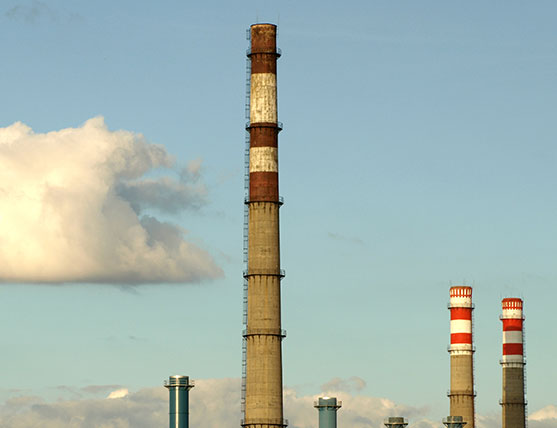
Among the three pillars of Environment, Clean Air for All stands as a key strategic priority for Welspun Living. We accord the highest importance to mitigating air pollution and addressing the impacts of climate change through structured, science-driven action. Over the years, Welspun Living has consistently reduced its energy consumption and carbon footprint through focused initiatives in energy efficiency, adoption of cleaner fuels, and substitution of virgin raw materials with recycled alternatives. We actively monitor and report our Scope 1 and Scope 2 greenhouse gas (GHG) emissions and, since FY22, have expanded our efforts to include Scope 3 emissions across our value chain. In FY25, we achieved a renewable energy mix of over 30% across all manufacturing sites. Read more
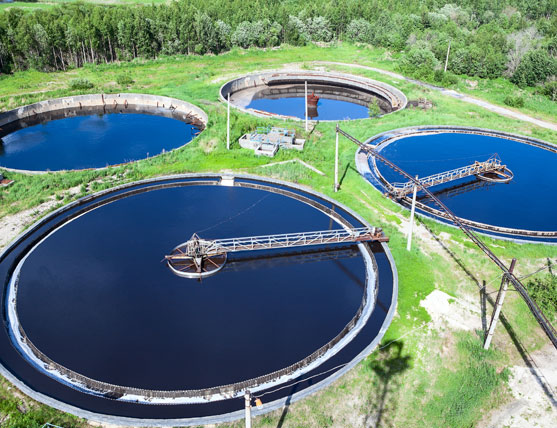
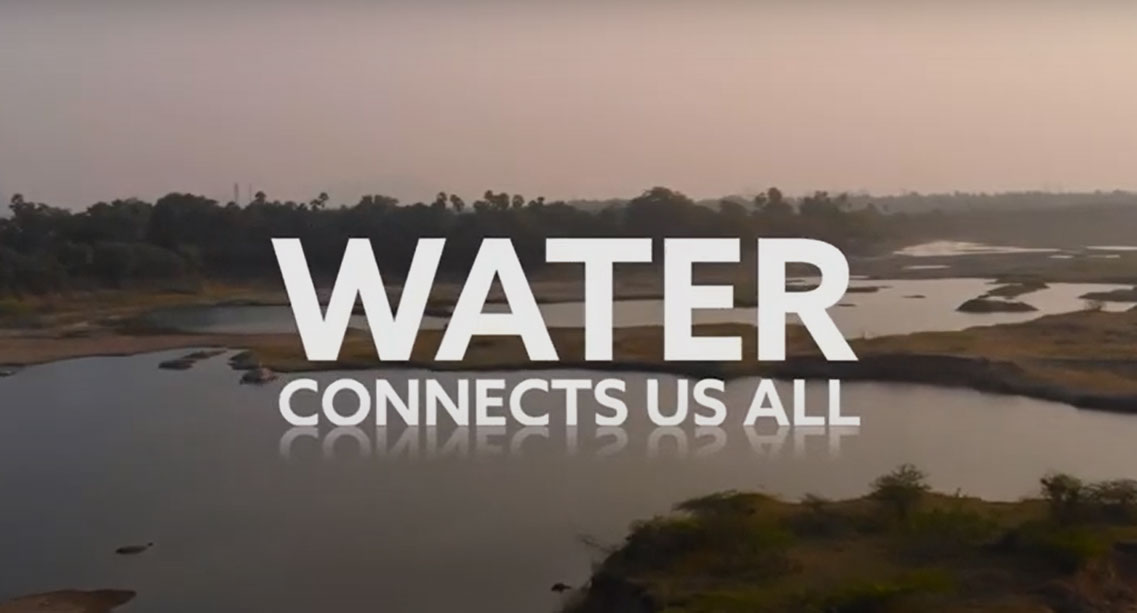
Water is a precious and increasingly scarce resource, and its limited availability remains one of the most pressing challenges for industry today. Much like climate change, effective water management requires urgent and sustained action to prevent pollution, over-extraction, and inequitable access across communities. Welspun Living recognizes this challenge, particularly as its facilities are located in water-stressed regions and textile processing operations are inherently water-intensive. This makes responsible and judicious water use not just important, but imperative. Read more
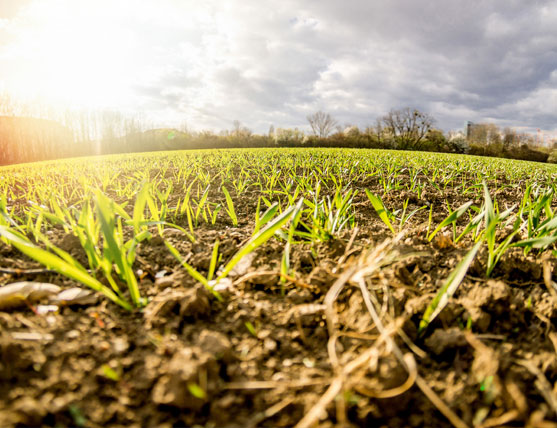
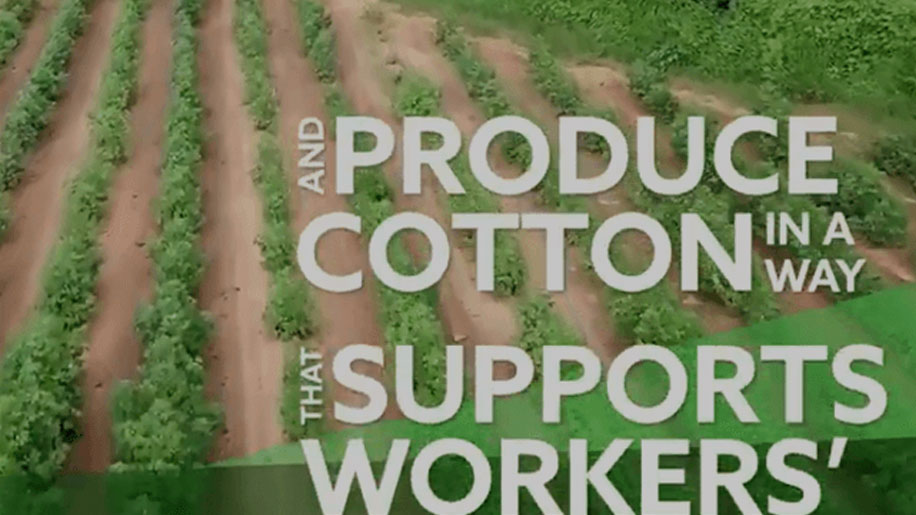
As a fast-growing global home textiles leader, Welspun Living remains committed to delivering superior product quality while generating measurable environmental and social impact. The Company continues to accelerate the transition from conventional raw materials to certified sustainable alternatives by steadily increasing its sourcing of Better Cotton Initiative (BCI) cotton and Organic Cotton. With a clear roadmap in place, Welspun Living aims to achieve 100% sustainable cotton sourcing — including Organic and BCI cotton — by 2030. Read more

landbank of sustainable cotton farming

Liters of annual Sewage treatment capacity

T CO2 saved annually through energy conservation

trees planted so far at Anjar

carton usage with recycled paper

As we focus on reducing our carbon footprint, we have also prioritized the usage of sustainable modes of transportation. Our onsite setup of ancillary supplier units for immediate access also reduces emissions, and our supply chain initiatives have also reduced GHG emissions by 15%. In addition, our Wel-Trak solution ensures complete traceability.
In order to transform from linear to circular systems, we focus on pre as well as post-consumer waste. So, we are involved in plastic recycling for packaging as we have replaced virgin polyester with recycled LDPE, and we also reduce plastic consumption by using textile waste. Recycled paper also accounts for 100% of carton usage at the Anjar factory. Read more

